The construction phase plan is the most commonly missed document in CDM 2015, and the easiest to defend a project with when something goes wrong. It is also widely misunderstood as paperwork for large sites, which is where most of the trouble starts.
Every construction project needs one. Not every large project, not every notifiable project. Every project.
What a construction phase plan actually is
Under Regulation 12 of the Construction (Design and Management) Regulations 2015, the plan sets out the health and safety arrangements, the site rules and the specific measures for any work involving the risks listed in Schedule 3 of the regulations. It has to exist before the construction phase begins, and it has to be kept current while the work runs.
It is a working document, not a submission. Its job is to say how this particular job will be built safely, on this particular site, with these particular people and these particular hazards.
Who has to produce it
On a project with more than one contractor, the principal contractor draws up the plan before the site is set up, and revises it as the work develops. On a single-contractor project, the duty falls to that contractor. Either way, the client has a duty to make sure it exists before work starts.
That last point catches people out. A client who appoints a builder and looks away has not discharged the duty. Under Regulation 4, the client has to make suitable arrangements for managing the project and maintain them throughout, and confirming that a construction phase plan exists is part of that.
What it has to contain
The plan is proportionate to the job. A domestic extension does not need what a hospital refurbishment needs, but both need the same categories addressed:
- A description of the project, the programme and the key dates
- The management arrangements, including who is responsible for what
- The site rules, and any arrangements for the site’s own hazards
- Arrangements for controlling the significant risks in the work itself
- Welfare arrangements for the whole of the construction phase
- Arrangements for the existing services, structures and occupants
That last category is the one most often skipped, and it is where the serious incidents live. Existing gas, electricity and water do not move because a builder has arrived, and neither do the people living or working in the building.
What it looks like when nobody writes one
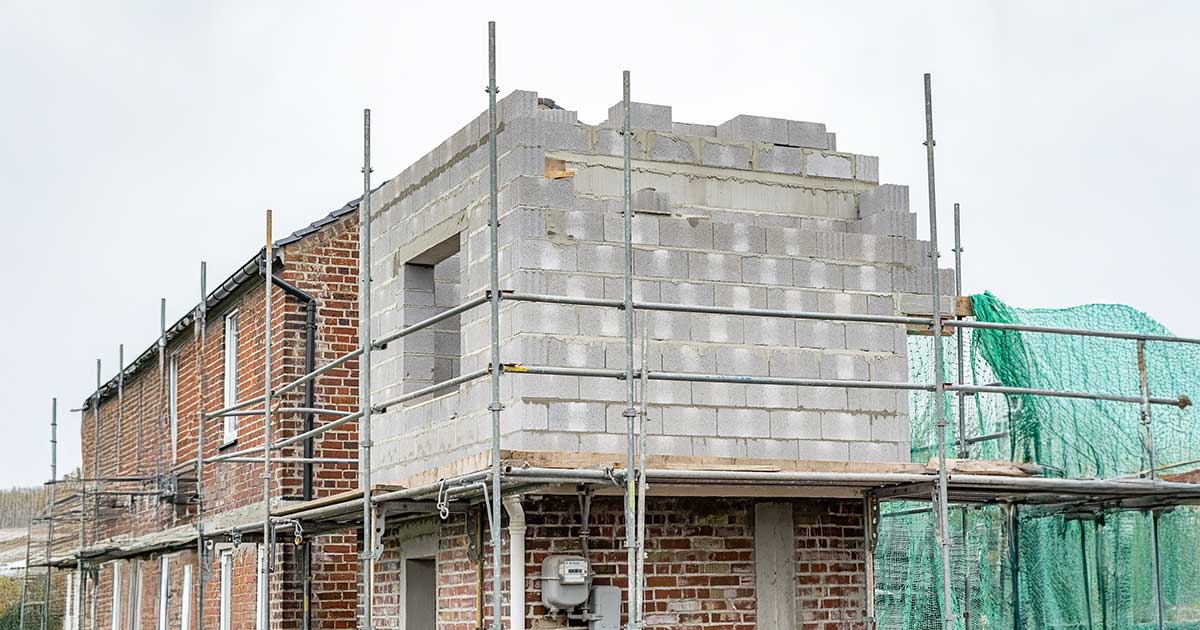
In August 2026 a building company and its director were prosecuted after an extension was built over live gas service pipework and a boiler flue at a house in Bradford. Building Control inspectors warned the company repeatedly that the pipework and flue had to be relocated. The work carried on regardless.
The installation was found to be immediately dangerous. The gas supply was cut off, the family living there lost their gas for weeks, and the remedial work cost around four thousand pounds. The Health and Safety Executive found that the company had produced no construction phase plans and had not complied with an Improvement Notice.
The company was fined ten thousand pounds with costs, and the director was fined personally. Nobody was hurt, which was the only thing that separated it from a fatal gas incident in an occupied home. The HSE inspector’s assessment was that the failure to properly plan the work could easily have had fatal consequences. The full notice is on the HSE media centre (opens in a new tab).
Two things in that case are worth sitting with. The first is that the hazard was known, flagged and written down by somebody else before anything went wrong. The second is that the director was fined in his own name, not just the company.
The failures we see most often
- Written after the work started. A plan produced in week three to satisfy a client’s request is a record, not a control. The regulation requires it before the construction phase begins.
- Generic content. A template with the site address changed tells nobody anything about the risks of this job.
- Never revised. The plan is a live document. When the sequence changes, the plan changes, and everybody affected is told.
- Silent on the existing building. Services, structure, asbestos and occupants are the specific hazards of refurbishment, and they belong in the plan.
- Assumed to be somebody else’s job. On single-contractor projects there is no principal contractor to produce it, so the contractor does. The duty does not disappear because the project is small.
Getting it right
A good construction phase plan is short, specific and current. It is written by somebody who has understood the job, it names the hazards this site actually presents, and it is revised when the work moves.
MAST Safety produces construction phase plans as part of our CDM consultancy, and acts in the Principal Designer role on projects where the client wants the duty held by somebody competent to hold it. If you are about to start a project and are not certain who is producing the plan, that uncertainty is the answer to whether you need help with it.
Tell us about the project and we will tell you what CDM requires of you, before the work starts rather than after.