On 18 August the Health and Safety Executive published two prosecutions on the same day. Both involved a worker on foot and a moving vehicle. Both ended in life-changing harm. Read together, they describe opposite ends of the same duty, and most employers are only watching one end of it.
In the first, a waste and recycling company in Basildon was fined £400,000 after a 22-year-old site operative was crushed between a mobile shredder and a gate post while walking into the tipping yard. The HSE investigation found the company had not managed the movement of pedestrians and vehicles at all. Over time it had simply become normal for people on foot to walk close to moving plant, lorries and forklift trucks.
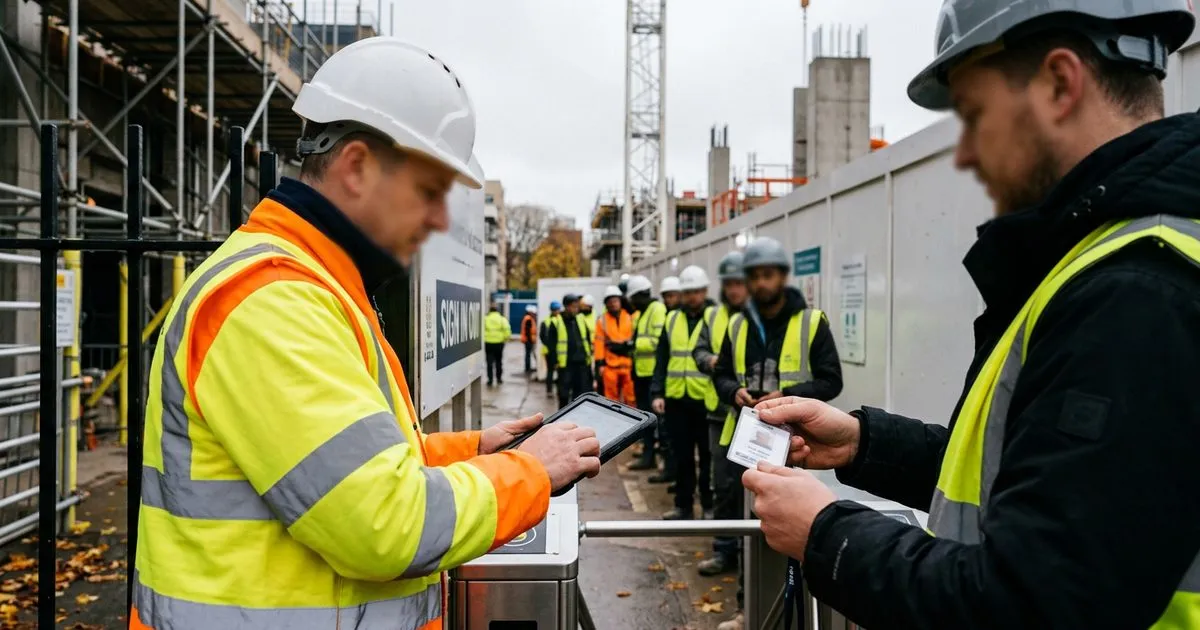
In the second, a lift supervisor named James Connolly was struck and killed on a large construction site at Ince, Ellesmere Port, while walking back to his work area from the welfare compound. Here the principal contractor had done the harder thing. It had taken steps to reduce the need for reversing on site, including creating a turning circle, and that turning circle was clear and available at the moment of the incident. The telehandler operator reversed anyway, without a banksman, while using his mobile phone against site rules he had signed up to.
One site had no system. The other had a good system that was bypassed on a single manoeuvre. Both killed or maimed someone walking to work.
The duty is about circulation, not paperwork
The legal position is short and it is not new. Regulation 17 of the Workplace (Health, Safety and Welfare) Regulations 1992 requires every workplace to be organised so that pedestrians and vehicles can circulate safely. On construction sites, regulation 27 of CDM 2015 carries the equivalent duty for traffic routes, and regulation 28 covers the vehicles themselves.
Note the wording. The duty is that people and vehicles circulate in a safe manner. It is a duty about what actually happens on the ground, every shift, not a duty to hold a document describing what should happen. That distinction is the whole of this article.
It is also worth noticing which sections of the Health and Safety at Work Act were used. The Basildon company was prosecuted under section 2(1), the general duty an employer owes its own employees. The telehandler operator was self-employed and was prosecuted under section 3(2), the duty a self-employed person owes to others. The second case is a reminder that these duties reach individuals, including subcontractors and operatives, and not only the company whose name is on the gate.
Failure one: the system was never there
The Basildon case is the version most safety professionals recognise. Nobody decided that people should walk beside a moving shredder. It became custom and practice, which is a polite way of saying it happened for long enough that it stopped looking like a hazard.
Drift of this kind has a recognisable shape:
- A pedestrian route was never designed, so people take the shortest line
- The shortest line runs through a yard, a loading area or a tipping bay
- Nothing goes wrong for months or years, which everyone reads as evidence that it is fine
- New starters learn the route by copying the people already there
- The near misses that do happen are absorbed rather than reported
The last two points matter most. Once an unsafe route is being taught by example, induction paperwork stops describing reality. A worker in their first week is following the person in front of them, not the site plan.
Failure two: the system was there and it was bypassed
The Ellesmere Port case is the harder one, because the principal contractor had put in the control that a competent adviser would have recommended. Reversing is the single most dangerous vehicle manoeuvre on most sites, so the strongest answer is to design it out. A turning circle does exactly that, and one was there and unobstructed.
It made no difference on the day, because an experienced, qualified operator chose to reverse without a banksman while on his phone.
This is the failure mode that audits routinely miss. If you assess a site by asking whether the controls exist, this site passes. Traffic management plan, turning circle, site rules on mobile phone use, signed induction, competent operator. Every box is genuinely ticked. The control that failed was not the design. It was use, supervision and the willingness of people to follow a rule when following it is slightly less convenient.
Why “we have a traffic management plan” is not an answer
A traffic management plan is the beginning of a control, not evidence of one. We have written before about the gap between what your Health & Safety documentation says and what your business actually does, and workplace transport is where that gap does the most damage, because the consequences arrive at speed and at close quarters.
The questions worth asking about your own site are not about the plan. They are about the last month:
- Where do people actually walk between the gate, the office, the welfare facilities and their work area, and does that line cross an operating area at any point
- When was the last reversing manoeuvre carried out without a banksman, and how would you know
- Who has challenged a driver in the last month, and what happened next
- How do visiting delivery drivers, who never attended your induction, learn where they may and may not walk
- Has anything about the site layout changed since the routes were set, such as a new compound, a skip position or a temporary works area
That last question is the one that catches established sites. Traffic routes are usually designed once, at the start, and the site then changes around them for months.
What good separation actually looks like
The control hierarchy for workplace transport is unusually clear, because the best controls are physical and the weakest ones depend on human attention at the worst possible moment.
Separate them completely wherever you can
Physical separation beats every other measure. Separate site entrances for vehicles and pedestrians, barriers rather than painted lines where the risk is highest, marked walkways with a kerb or rail, and pedestrian access to buildings that does not pass through a yard. Paint alone is a reminder, not a barrier.
Design out reversing
One-way circulation, turning circles and drive-through loading remove the manoeuvre rather than supervising it. Where reversing genuinely cannot be avoided, it needs a trained banksman, an agreed signal set, and one rule that is worth stating explicitly on every site: if the driver loses sight of the banksman, the vehicle stops. Not slows. Stops.
Deal with visibility honestly
Blind spots on plant are large and drivers consistently underestimate them. Mirrors, cameras, proximity sensors and high-visibility clothing all help, but they are mitigation for a risk you have chosen not to design out. Treat them that way in your risk assessment rather than counting them as the primary control.
Write site rules that survive contact with a busy shift
Mobile phone use while operating plant, permitted routes, speed limits, and what a pedestrian does if they need to cross an operating area. Rules only work if they are short enough to remember and if supervisors enforce them consistently on the day everyone is running late.
Manage the people who never came to your induction
Delivery drivers, hauliers, waste collections and visiting engineers are on your site for twenty minutes and know none of your arrangements. They need a designated safe waiting area, clear signage at the point of arrival, and an instruction about whether they may leave their cab at all.
Monitor for drift, then monitor again
Because both of these prosecutions are ultimately about drift, monitoring is not an administrative extra. Walk the pedestrian route yourself at shift change. Watch where people actually go rather than where the plan says they go. A Health & Safety audit that includes an observed walk of the site at a busy moment will find things that no document review can.
Where the risk concentrates
Workplace transport is a general duty, but it does not fall evenly.
Waste and recycling carries the sharpest figures. The sector saw 24 workers killed during 2025/26, and measured over a five-year period its fatality rate runs at around ten times the all-industry average. Constant vehicle movement, mobile plant working in the same space as people sorting by hand, and public access at civic sites combine badly.
Warehousing, logistics and distribution concentrate the risk at the loading bay, where forklifts, HGVs, order pickers and people on foot meet under time pressure. Reversing HGVs, unsecured trailers and pedestrians crossing behind a vehicle that is already moving account for a large share of serious injuries. If this is your operation, our warehouse and logistics safety consultancy covers traffic route design, segregation, racking, manual handling and the supervision arrangements that hold them together.
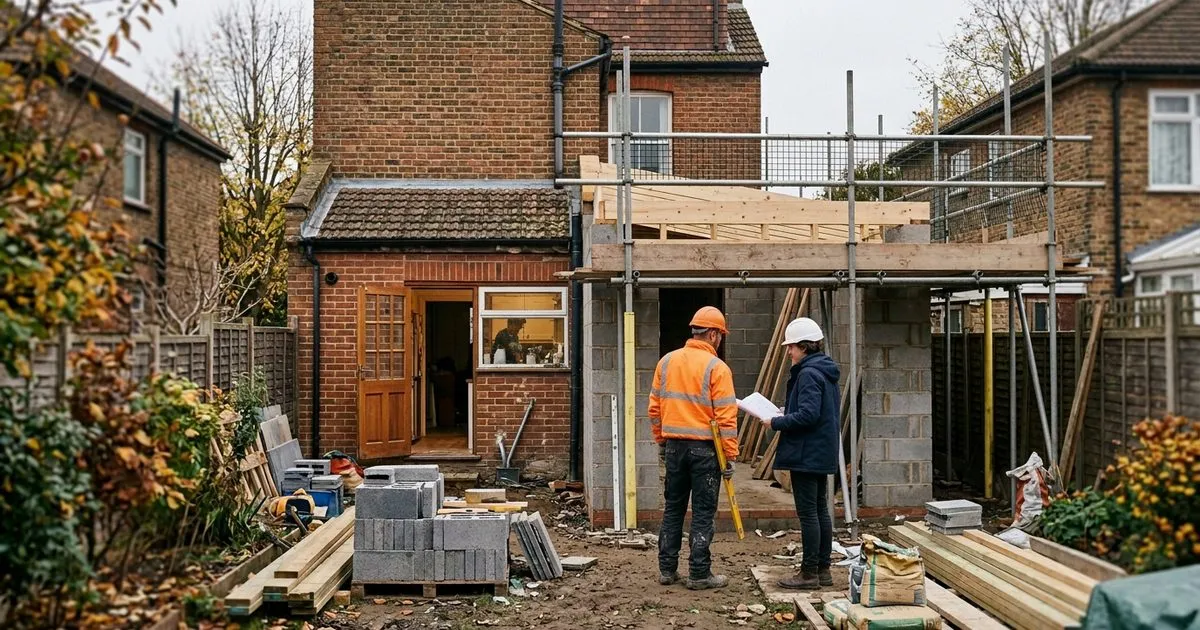
Construction adds a layout that changes weekly. Routes set in the construction phase plan stop matching the site as soon as the compound moves or a new delivery point opens. Under CDM 2015 this sits squarely with the principal contractor, and it is a standard part of our CDM consultancy and construction Health & Safety support.
Manufacturing, agriculture and retail yards share the same pattern in smaller numbers, usually at the point where deliveries meet a working area.
The wider picture
Being struck by a moving vehicle remains one of the most common causes of workplace death in Great Britain, year after year, alongside falls from height. We looked at the national position when the latest figures came out in our piece on what the 2026 HSE fatality figures mean for employers.
What makes workplace transport distinctive is how well understood the controls are. Nobody is waiting for new research. Segregation, one-way systems, banksmen and enforced site rules have been standard advice for decades. The two cases published on 18 August failed not because the answer was unknown, but because in one case it was never implemented and in the other it was implemented and then not used.
What to do in the next month
- Walk your site on foot at shift change, from the gate to the welfare facilities to the work areas, and mark on a plan every point where your route crosses a vehicle operating area
- Compare that plan to the traffic management arrangements you currently hold, and treat every difference as a finding
- List every reversing manoeuvre that happens routinely, and for each one decide whether it can be designed out rather than supervised
- Check what a visiting delivery driver sees and is told on arrival
- Ask supervisors when they last stopped a manoeuvre, and take a nil answer as information rather than reassurance
If any of those steps produces an answer you do not like, that is the point at which outside eyes are worth having. Our Health & Safety consultancy works with clients on an ongoing basis precisely because arrangements like these drift between visits, and drift is what both of these prosecutions were really about.
Workplace Transport: Frequently Asked Questions
What does the law actually require for pedestrians and vehicles?
Regulation 17 of the Workplace (Health, Safety and Welfare) Regulations 1992 requires workplaces to be organised so that pedestrians and vehicles can circulate safely. On construction sites the equivalent duty sits in regulation 27 of CDM 2015. The duty is about how circulation works in practice, not about holding a document.
Are painted walkways enough?
Rarely, on their own. Markings tell people where to walk but stop nothing. Where vehicles and pedestrians would otherwise share space, physical separation such as barriers, rails or kerbs is the stronger control, with markings supporting it.
Do we need a banksman for every reversing manoeuvre?
The better question is whether the reversing is necessary at all. Where it can be designed out through one-way circulation or a turning area, that is the stronger control. Where reversing is unavoidable, a trained banksman with an agreed signal set is needed, along with a firm rule that the vehicle stops if the driver loses sight of them.
Can an individual operator be prosecuted, or only the company?
Both. Employers are prosecuted under section 2 of the Health and Safety at Work Act for risks to their employees, and section 3 covers risks to others. A self-employed operative was prosecuted under section 3(2) in the Ellesmere Port case and received a suspended custodial sentence. Duties under the Act reach individuals as well as organisations.
How do we manage delivery drivers who have not had our induction?
Assume they know nothing about your site. Provide clear signage at the arrival point, a designated safe waiting area away from operating plant, and an explicit instruction about whether they may leave the cab. Treat visiting drivers as a distinct group in your risk assessment rather than covering them under general site rules.
How often should traffic arrangements be reviewed?
Whenever the site changes, which in practice is more often than most annual review cycles allow. A new compound, a moved skip, a temporary works area or a change in delivery pattern can all invalidate routes that were sound when they were drawn. Build a check into your regular monitoring rather than relying on the annual review alone.
Find Out How MAST Safety Can Help
We help clients organise sites so that people and vehicles are kept apart, covering traffic route design, segregation, site rules, supervision and the monitoring that catches arrangements drifting between visits. This works best as ongoing support rather than a single visit, because site layouts change and habits form.