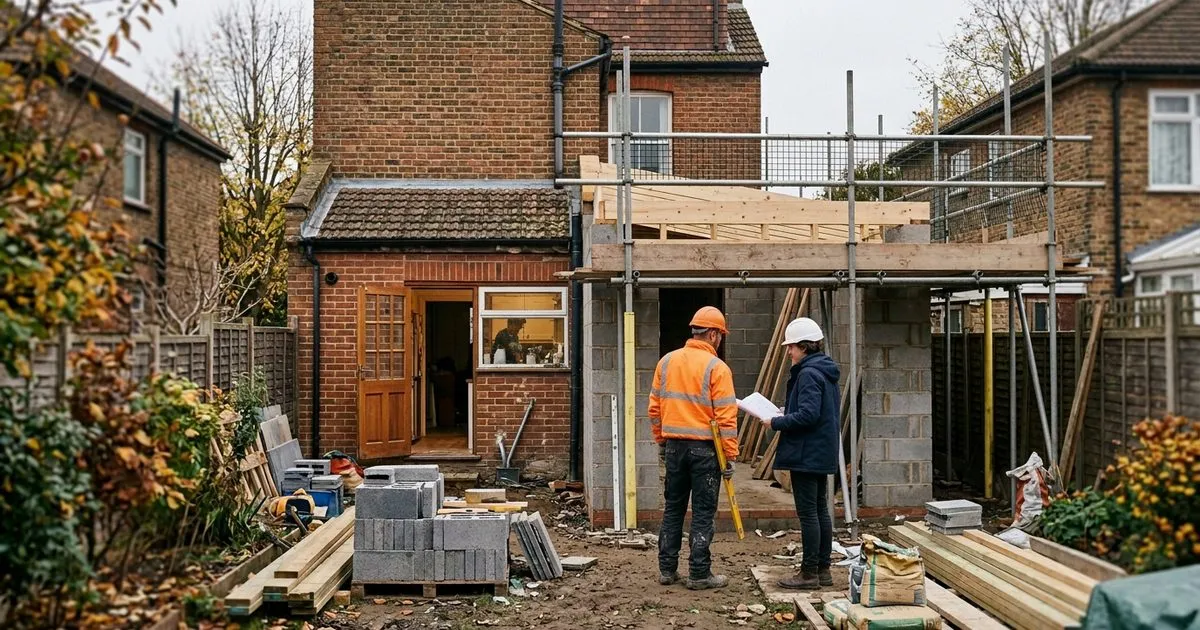
A homeowner is having a kitchen extension built. There is a builder, a plasterer and an electrician, and an architect drew the plans. The homeowner has never heard of the Construction (Design and Management) Regulations 2015, and nobody expects them to.
But CDM applies to that extension as much as it applies to an office block. The difference on a domestic project is not that the duties disappear. It is that they move, to people who may not realise they are now carrying them.
This article explains who counts as a domestic client, where their duties go, what that means for the builders and designers who inherit them, and why a landlord or a housing association can never be a domestic client.
Who counts as a domestic client
Under CDM 2015, a domestic client is a client for whom a project is carried out that is not in the course or furtherance of a business of that client. HSE’s guidance puts it more plainly: someone having work done on their own home, or the home of a family member, which is not connected with a business.
Landlords are not domestic clients. HSE’s guidance is explicit that local authorities, housing associations, charities, landlords and other businesses may own domestic properties, but they are not domestic clients. Neither is someone having work done in connection with a business attached to their home, such as a shop with a flat above it. If you own or manage residential property as a business, you carry the client duties in full, however small the job.
Where the client’s duties go
A commercial client has to make suitable arrangements for managing the project, provide pre-construction information, make sure a construction phase plan and, where needed, a health and safety file are in place, and notify HSE of larger projects. On a domestic project those duties pass to someone else.
- One contractor: the contractor carries out the client duties, on top of their own.
- More than one contractor: the principal contractor carries them out.
- By written agreement: on a project with more than one contractor, the homeowner can agree in writing that the principal designer carries out the client duties instead.
On any project where more than one contractor will work, a principal designer and a principal contractor still have to be appointed in writing. HSE describes this as the only responsibility a domestic client has under CDM. In practice many homeowners never make those appointments, and the regulations fill the gap: the designer in control of the pre-construction phase becomes the principal designer, and the contractor in control of the construction phase becomes the principal contractor.
That default is where most of the confusion starts. A builder can become the principal contractor, and take on the homeowner’s client duties as well, without anyone having said so.
What builders inherit
For a builder working on a home, HSE’s view is that taking on the client’s duties should involve little more than what a competent contractor does anyway to manage the risks. In practice, that means:
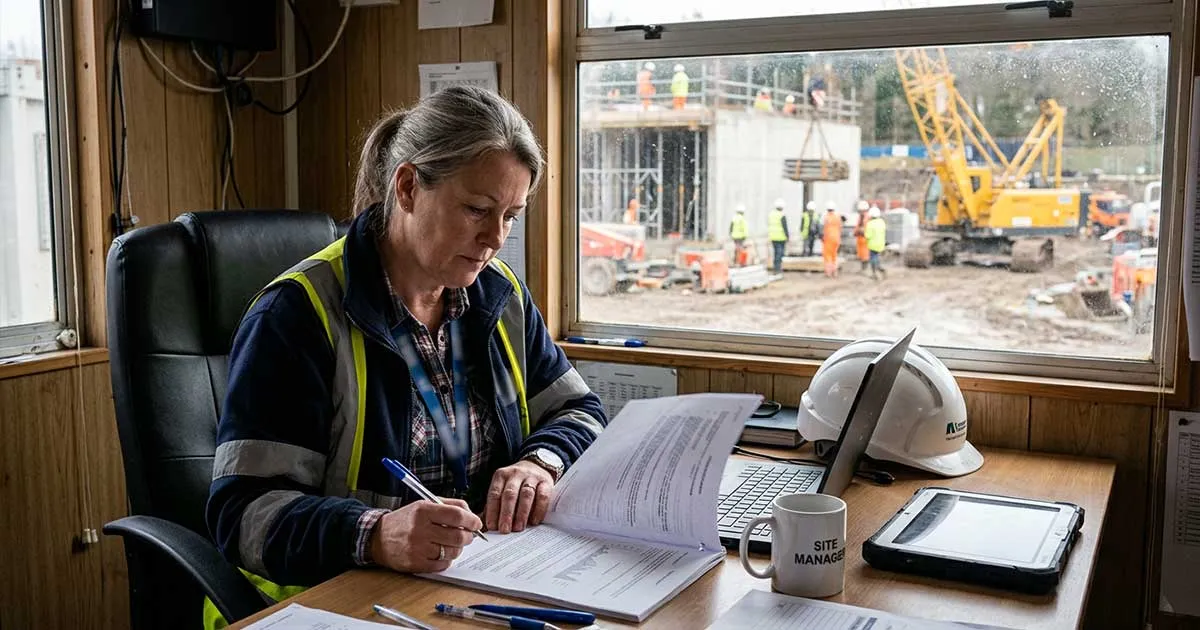
- A construction phase plan before the site is set up, on every project, including a single-contractor job. It does not have to be long, but it has to exist and fit the work. Our article on construction phase plans covers what goes in one.
- Welfare facilities for the people on site: toilets, washing facilities, drinking water and somewhere to rest. On a home, that often means agreeing with the homeowner that the trades can use their facilities.
- The site duties in Part 4 of CDM, from safe access and edge protection to emergency arrangements and keeping the public out.
- Notification to HSE if the work is scheduled to last longer than 30 working days with more than 20 workers on site at the same time, or to exceed 500 person days. That is rare on a domestic job but possible on a large new build.
Where there are several trades, the principal contractor also has to plan, manage and coordinate the construction phase, including site induction and keeping unauthorised people off site. On a home, the unauthorised people are often the family who live there.
What designers inherit
An architect or designer on a domestic project still has the designer’s duty to eliminate or reduce foreseeable risks through the design. Where there is more than one contractor, the designer in control of the pre-construction phase is the principal designer, whether or not anyone appointed them.
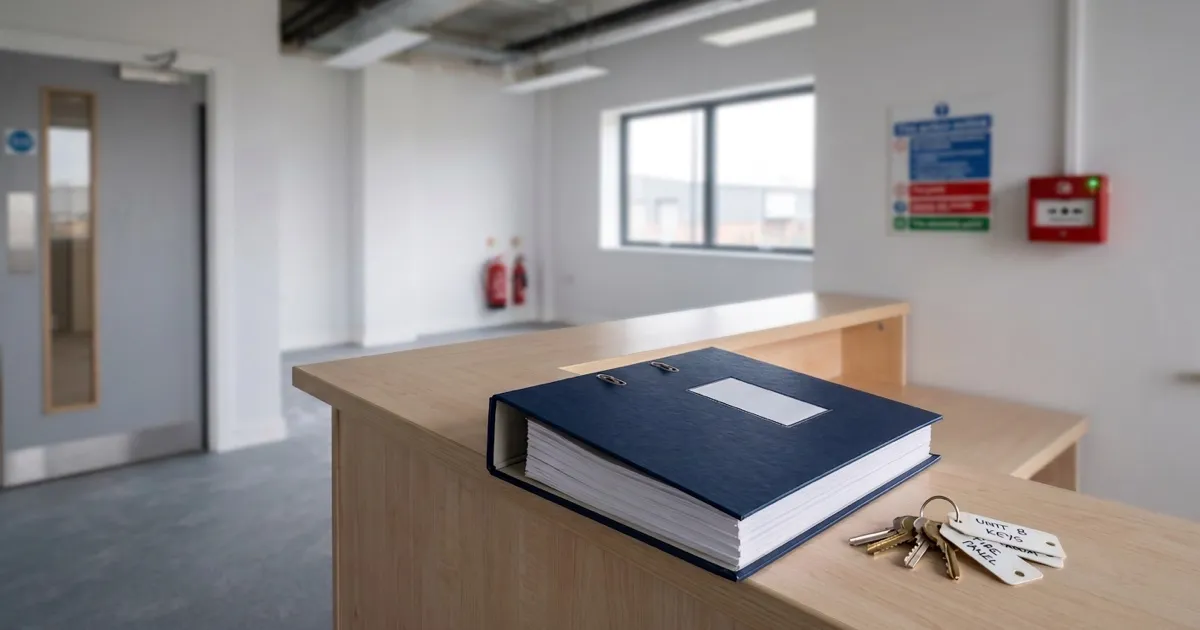
The principal designer prepares the health and safety file, the record of information the homeowner will need for future work on the building, and at the end of the project it is handed to the homeowner. A designer who already works closely with the homeowner can also agree in writing to take on the client duties, so that the principal contractor then works to the principal designer as the client. Our article on what a principal designer does explains the role in more detail.
What the homeowner still does
The homeowner’s legal duties are light, but their choices still matter. HSE’s guidance is that a domestic client can make sure the people they bring in are capable of doing the work safely, by asking simple questions about their track record in managing health and safety, and by allowing enough time and money in the contract for the work to be done safely. Having made reasonable enquiries, a homeowner should be able to rely on the people they appoint.
One exception is worth knowing. A homeowner who controls the way construction work is carried out by people at work, directing the trades themselves rather than leaving it to a builder, takes on the Part 4 site duties for the matters within their control.
The Building Regulations work the same way
Since October 2023, the Building Regulations in England have had their own dutyholder regime, with clients, principal designers and principal contractors responsible for compliance with the regulations themselves. It mirrors CDM: on a domestic project, the client’s main duties pass to the contractor, the principal contractor, or by written agreement the principal designer. The same people can hold both sets of roles, but they are two separate sets of duties, and a builder or designer on a domestic job needs to know they are carrying both.
Where domestic projects go wrong
- Nobody knows who the principal contractor is, because no appointment was made, and the builder in control has inherited the role and the client duties without realising.
- No construction phase plan, on the basis that the job is small or the client is a homeowner. Neither is an exemption.
- The health and safety file never reaches the homeowner, so the next builder starts without knowing what is in the walls.
- A landlord treats a rental property as a domestic project, and assumes the duties have passed to the builder. They have not.
How MAST Safety can help
Our CDM consultants work with builders, designers and property owners on projects of every size. We write proportionate construction phase plans for domestic work, support designers taking on the principal designer role, and act as client advisor to landlords and property managers who hold the client duties in full.
Tell us about your project, and we will tell you who holds which duties and what needs to be in place before work starts.