If you’ve ever lost out on a tender because you couldn’t tick the right compliance box, or if you’ve been asked by a main contractor whether you’re “SSIP accredited” and weren’t entirely sure what they meant, this guide is for you. SSIP accreditation has become one of the most widely used markers of health and safety competence in UK industry, and for many businesses it’s no longer optional. Without it, doors quietly close before you’ve had a chance to walk through them.
What Does SSIP Stand For?
SSIP stands for Safety Schemes in Procurement. It is an umbrella body that brings together a number of health and safety pre-qualification schemes, allowing them to operate to a consistent standard recognised across the UK. Rather than being a single accreditation in itself, SSIP is the framework that makes individual schemes like CHAS, Constructionline, SafeContractor and SMAS mutually recognisable.
The schemes themselves assess the same core areas of health and safety competence, so a business accredited under one SSIP scheme is generally accepted by clients and main contractors who specify any of the others. That mutual recognition is what makes SSIP so valuable: one accreditation, broad acceptance.
How Does CHAS Fit Into SSIP?
CHAS, the Contractors Health and Safety Assessment Scheme, is the most well-known accreditation under the SSIP umbrella. When people talk about getting “CHAS accredited” they are referring to a specific SSIP scheme, but the recognition CHAS provides extends across the SSIP framework. Other schemes such as SafeContractor, Constructionline, SMAS, Acclaim and Achilles operate in the same way.
In practice, the choice of scheme often comes down to which one a client or industry sector prefers, or which one offers the best price and process for your business. The end result, in terms of recognised competence, is broadly the same.
Who Needs SSIP Accreditation?
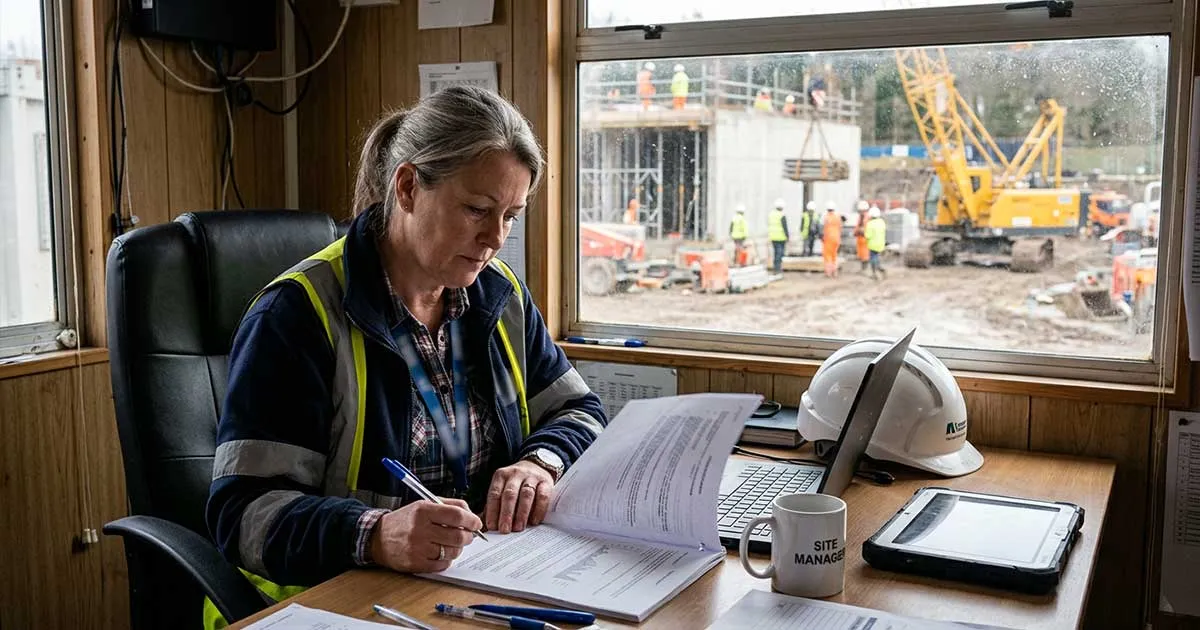
SSIP accreditation is most commonly required for businesses working in construction, civil engineering, facilities management, contracted maintenance and the trades. If your business carries out work on behalf of larger contractors, public sector clients, housing associations, or commercial property managers, you are likely to be asked for evidence of SSIP accreditation as part of the tender or pre-qualification process.
The pattern is becoming increasingly familiar across the UK. Main contractors and procurement teams use SSIP as a quick way to filter suppliers. If your business is not accredited, you may not even be invited to bid. For many trades and contractors, accreditation has effectively moved from being a competitive advantage to being a basic requirement.
What Does the Assessment Cover?
SSIP schemes assess your business against a defined set of health and safety competence standards. While the exact requirements vary slightly between schemes, the common areas they examine include:
- A documented health and safety policy
- Risk assessments and safe systems of work
- Training and competence records for staff
- Accident and incident reporting procedures
- Evidence of health and safety consultation with employees
- Insurance and compliance documentation
The assessment is typically desk-based, meaning you submit your documentation for review against the scheme’s checklist. Some schemes also involve a follow-up site visit or interview. Accreditation is usually granted for 12 months, after which you will need to renew.
Why Is SSIP So Widely Required?
The reason SSIP has become so embedded in UK procurement is straightforward: it solves a problem for clients and main contractors. Without it, every contractor would have to be vetted from scratch by every client they worked for, with each client asking the same fundamental questions about health and safety competence. SSIP standardises that vetting process, saving everyone time.
For your business, SSIP accreditation works in two directions. It demonstrates competence to potential clients, opening up opportunities you might otherwise be excluded from. It also gives your existing clients confidence that you are meeting recognised standards, which strengthens those relationships and supports contract renewals.
What If Your Documentation Isn’t Quite There Yet?
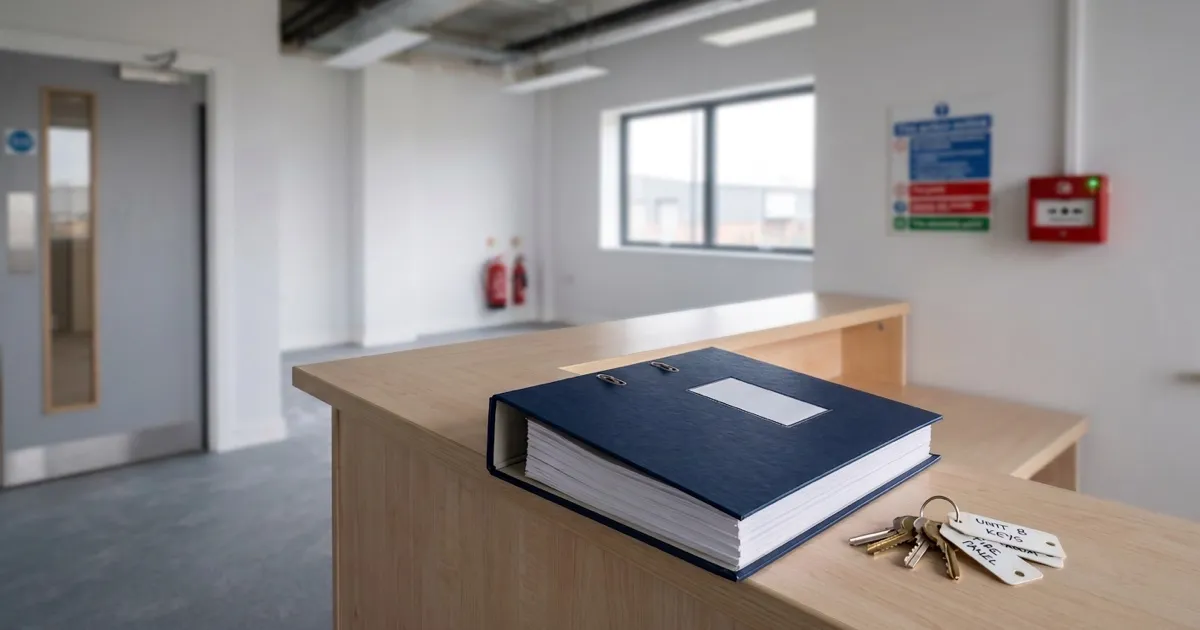
This is where many businesses come unstuck. SSIP applications often fail not because the business is actually unsafe, but because the documentation supporting their day-to-day practices isn’t in order. Risk assessments might be out of date, training records might be incomplete, the health and safety policy might not reflect current operations, and there may be gaps in evidence of how employees are consulted on safety matters.
These are all fixable issues, but they take time and structured effort to address. A health and safety audit is often a sensible first step before applying, identifying exactly where the gaps are and what needs to be put in place. From there, an experienced consultant can help build the documentation framework your accreditation application will rely on.
Getting Support With SSIP Accreditation
MAST Safety supports businesses across London and the South East with everything from health and safety audits through to documentation development, competent person services and ongoing retained consultancy. If you are preparing for an SSIP application, renewing an existing accreditation, or simply unsure whether your current setup would stand up to scrutiny, our team can help you get there with confidence.
If you would like to discuss your accreditation needs, speak to our team today, or take a look at our consultancy packages to see how we can support your business on an ongoing basis. For hands-on help with the application itself, our SSIP accreditation support service covers the whole process, from gap review to submission and renewals.
SSIP Accreditation: Frequently Asked Questions
Is SSIP accreditation a legal requirement?
No, SSIP accreditation is not a legal requirement in itself. It is a procurement standard widely used by clients, main contractors and public sector bodies to assess the health and safety competence of their suppliers. While not legally mandatory, in many sectors it has become a practical requirement, as businesses without accreditation are often excluded from tender opportunities.
What is the difference between SSIP and CHAS?
SSIP is the umbrella body that oversees a number of pre-qualification schemes operating to a consistent standard. CHAS is one of those schemes, and it is the most widely recognised. A business accredited through CHAS is generally also recognised by clients who specify SSIP, SafeContractor, Constructionline or other SSIP member schemes.
How long does SSIP accreditation last?
Accreditation under most SSIP schemes is granted for 12 months. Businesses need to renew annually, which involves resubmitting updated documentation and demonstrating that health and safety arrangements remain current and effective.
Can a small business get SSIP accredited?
Yes. SSIP accreditation is open to businesses of all sizes, and many schemes have application levels designed specifically for smaller contractors. The depth of documentation required is generally proportionate to the size and risk profile of the business, but the standards applied are consistent across all applicants.
Get your SSIP application in order
From audits and documentation to ongoing compliance support, we help businesses meet SSIP requirements with confidence.