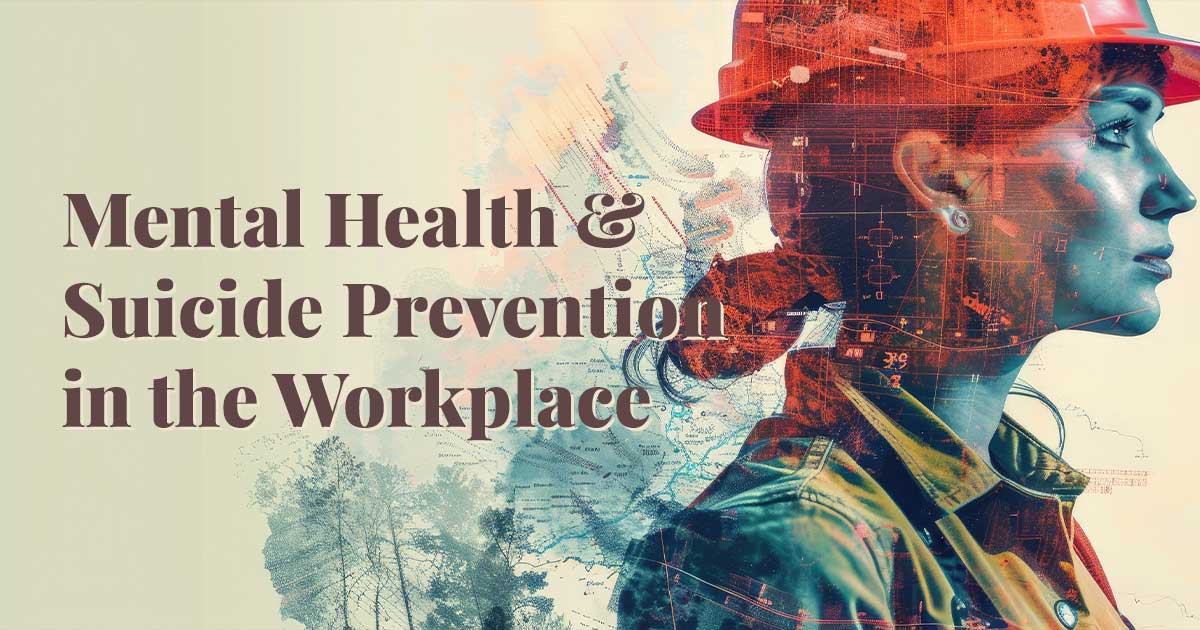
Mental health is no longer a “nice to have” in the workplace. It is a fundamental part of good health, safety and people management.
While many organisations now focus on wellbeing initiatives and stress awareness, far fewer feel prepared to respond if an employee experiences a serious mental health crisis or suicidal distress. When incidents do occur, the impact can be profound, affecting colleagues, managers, leadership teams and families alike.
This is where structured guidance, training and planning make a real difference.
Understanding BS 30416 and Postvention Support
In 2023, the British Standards Institution introduced BS 30416, a British Standard that provides guidance for organisations responding after a suicide or attempted suicide in the workplace. This process is known as postvention.
The standard recognises that how an organisation responds during and after such an event can significantly influence recovery, wellbeing and long-term culture. Without clear plans in place, even well intentioned employers may struggle with communication, decision making and staff support.
BS 30416 promotes a calm, compassionate and structured approach, helping organisations act responsibly at an extremely difficult time.
Why This Matters for Employers
The effects of suicide are rarely contained to one individual. Colleagues may experience shock, guilt, anxiety or trauma, while managers often feel unprepared for the conversations and decisions they must make.
BS 30416 encourages employers to:
- Communicate sensitively and consistently
- Protect the dignity and privacy of everyone involved
- Support employees who may be directly or indirectly affected
- Reduce the risk of further harm or distress
- Strengthen trust in leadership and organisational culture
Importantly, this guidance aligns closely with broader duties of care under UK health and safety and employment legislation.
Moving From Awareness to Capability
While policies and procedures are essential, they are only effective if people feel confident using them. This is why many organisations now combine postvention planning with practical mental health training, giving staff the skills to recognise risk, start conversations and signpost support early.
Two courses in particular are widely recognised for building this capability.
Mental Health First Aid (MHFA)
The Mental Health First Aid England course equips individuals to spot the signs of poor mental health, approach conversations with confidence, and guide people towards appropriate professional help.
Mental Health First Aiders often act as an early support point within organisations, helping to reduce stigma and encourage open discussion around mental health concerns.
This training is especially valuable for supervisors, managers and HR teams, but is equally relevant for anyone who wants to support colleagues more effectively.
ASIST – Applied Suicide Intervention Skills Training
ASIST is an intensive, two day course designed to help participants recognise when someone may be at risk of suicide and intervene safely and compassionately.
Delivered in partnership with LivingWorks International, ASIST focuses on real world skills such as:
- Identifying warning signs and risk factors
- Engaging in open, direct conversations
- Developing immediate safety plans
- Connecting individuals with ongoing professional support
For organisations working in high pressure environments, including construction, infrastructure, education and facilities management, ASIST provides vital skills that can genuinely save lives.
Building a Safer, More Supportive Workplace
Mental health support is not about replacing professional care. It is about ensuring people know how to respond, who to involve, and how to act with confidence and compassion when it matters most.
By combining clear guidance such as BS 30416 with high quality training, organisations can move beyond awareness and build genuine resilience into their teams.
How Mast Safety Can Help
Mast Safety delivers both Mental Health First Aid England (MHFA) training and ASIST, alongside wider health, safety and wellbeing consultancy services.
Our team is always happy to talk through your organisation’s needs and help you identify the most appropriate training or support, whether you are looking to raise awareness, build internal capability or strengthen your wider wellbeing strategy.
If you would like advice on mental health training or support pathways, please get in touch with the team at Mast Safety. We are here to help