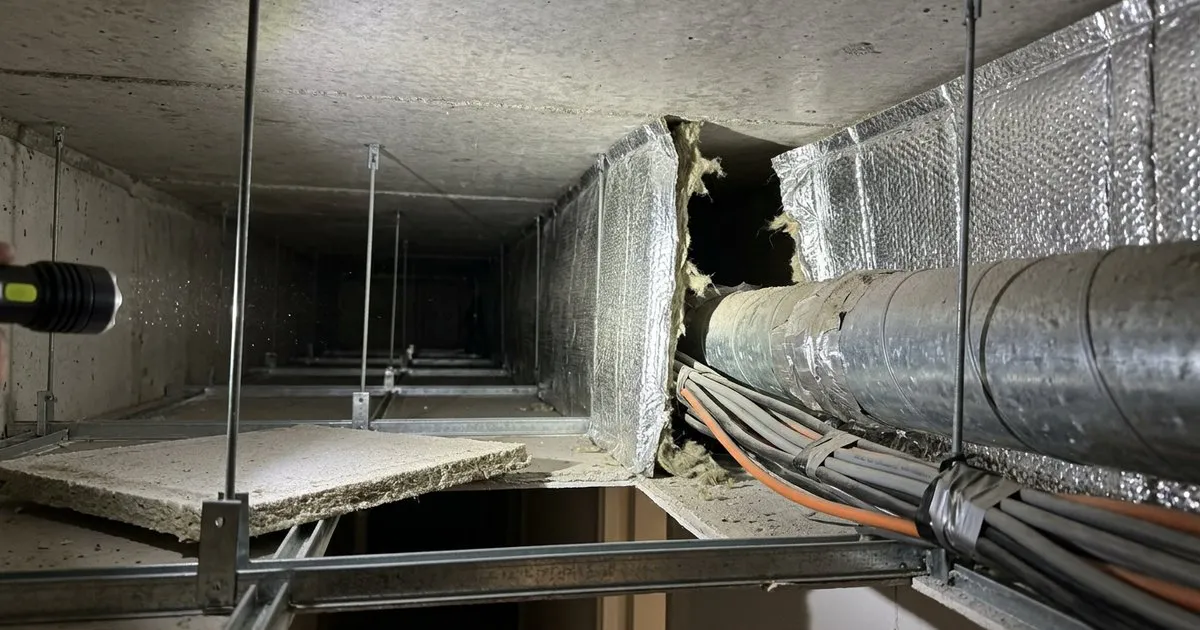
Two sister woodworking companies in Wisbech were fined £34,000 at Norwich Magistrates’ Court on 18 September 2026. HSE inspectors had found “a multitude of significant failings” in how both firms managed health and safety: wood dust, noise nobody had measured, staff never trained to use their protective equipment, unguarded machinery, and vehicle movements nobody was managing safely.
None of it was new to HSE. Since 2002 the two companies had been served 34 enforcement notices between them, and both had been prosecuted before, including over incidents that seriously injured their own employees.
Every one of those notices told the business exactly what was wrong. A notice deals with one fault, though, not with the way a business manages safety, and while that stays the same the notices keep coming, each with its own bill attached.
That bill is easy to underestimate, because an improvement notice does not come with a fine. Nobody is prosecuted on the day it is served, and the letter itself simply says what has to be put right and by when. The notice is rarely the expensive part. What follows it usually is.
What an enforcement notice actually is
Inspectors from the Health and Safety Executive, or from your local authority for many offices, shops and venues, can serve two kinds of notice under the Health and Safety at Work etc. Act 1974.
- An improvement notice is served where the inspector believes the law is being broken and the breach is likely to continue or be repeated. It sets out what is wrong and gives a deadline to fix it, which cannot be less than 21 days.
- A prohibition notice is served where an activity carries a risk of serious personal injury. It stops that activity, either immediately or from a set date, until the risk is dealt with. There does not have to be a breach of the law for one to be served.
Both are formal legal documents, and both carry consequences well beyond the work they describe.
Cost one: the inspector’s time is billed to you
Since 2012, HSE has recovered the cost of its time from businesses found in material breach of health and safety law, under a scheme called Fee for Intervention. When an inspector serves a notice, a Notification of Contravention comes with it, and the clock is already running.
From 1 April 2026 the rate is £188 an hour. It covers far more than the visit itself: time on site, writing reports, getting specialist advice, talking to you and your workers afterwards, and any time HSE spends taking action against you. An intervention that takes twenty hours of inspector time from first visit to close-out is an invoice for £3,760, before a single hour of your own management time has been counted.
That is why the speed and quality of your response matters. Every week a breach stays open is more chargeable time. We cover how to limit that exposure in our accident investigation and HSE support service.
Cost two: the work stops
A prohibition notice can take effect the moment it is served. A scaffold comes out of use, a machine is isolated, a trench is abandoned, or a whole activity halts while the programme, the trades booked around it and the client’s patience all carry on regardless.
Appealing does not restart the work. An appeal suspends an improvement notice until it is decided, but a prohibition notice stays in force unless an employment tribunal specifically directs otherwise. In practice, the only reliable way back to work is to fix what the inspector found.
Cost three: it is public for five years
HSE publishes its enforcement notices on a public register five weeks after they are served, and they stay there for five years. Anyone can search it by company name, including your clients, the principal contractor you are tendering to, and the competitor you are tendering against.
It also comes up without anyone searching. Pre-qualification questionnaires and supply chain assessments routinely ask whether you have received enforcement action, and insurers commonly ask the same at renewal. A notice answered well can be explained. A notice that was ignored cannot, and a vague answer to a direct question tends to cost more than the honest one would have.
Cost four: ignoring it is a crime in its own right
Failing to comply with an improvement or prohibition notice is a separate criminal offence under section 33(1)(g) of the 1974 Act, regardless of whether anyone has been hurt. Tried in the Crown Court, it carries an unlimited fine and up to two years’ imprisonment.
The consequences reach individuals as well as companies. In August 2026 a Cornwall sawmill was sentenced at Truro Crown Court after HSE served three improvement notices covering wood dust exposure, lift truck safety and operator training, face fit testing for respirators, and health surveillance. The company complied with none of them. It was fined twenty thousand pounds with five thousand pounds costs. Its director was prosecuted personally, fined five thousand pounds with costs, and disqualified from acting as a company director for five years. The full notice is on the HSE media centre (opens in a new tab).
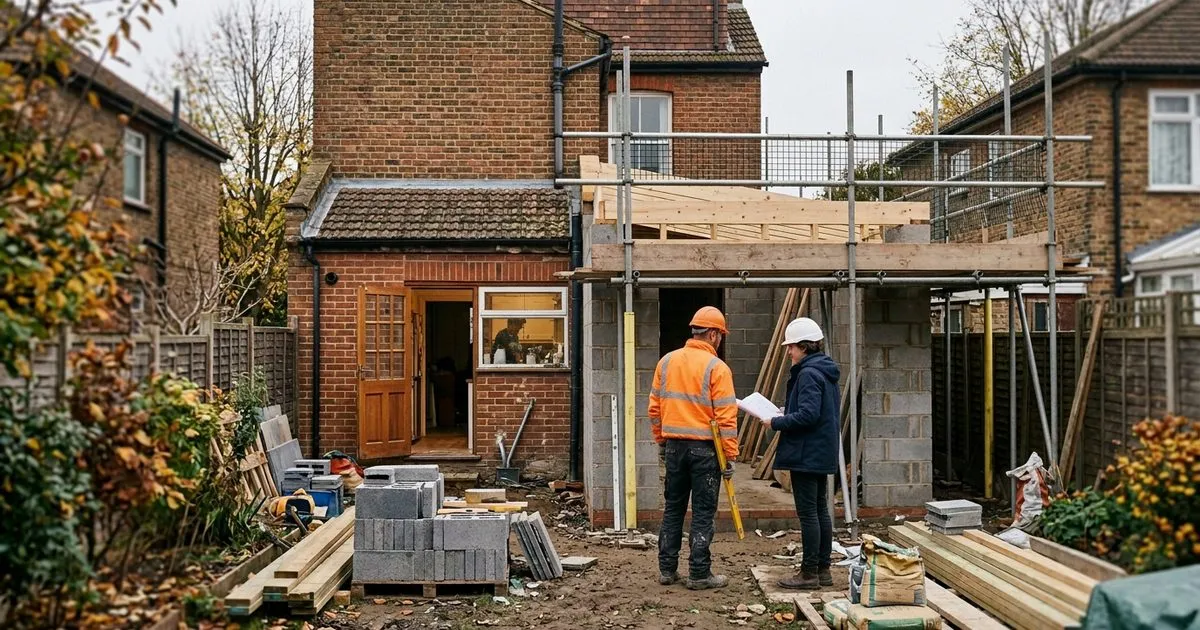
The same month, a building company and its director were fined after an extension was built over live gas pipework, and HSE found that an improvement notice had gone unanswered there too. We looked at that case in Construction Phase Plans Explained.
What both cases share is that the problem was identified, written down and handed over by an inspector before the prosecution. The requirement to act was never in doubt.
If a notice lands on your desk
The first few days set the tone for everything that follows.
- Read what it actually requires, and by when. A notice names the breach, the law behind it and the deadline. Put the deadline in the diary of the person who will own it.
- Do not argue with the inspector on the day. If you think the notice is wrong, there is a proper route for that, and it is not the site gate.
- Decide quickly whether to appeal. An appeal goes to an employment tribunal and must be made within 21 days of the notice being served. It is for a notice that is wrong in law or fact, or sets an unworkable timescale. It is not a way to buy time.
- Ask for more time before the deadline, not after it. An inspector can extend the compliance period at any point while no appeal is pending. A request after the date has passed is a request to overlook an offence.
- Fix it properly and evidence the fix. Photographs, revised risk assessments, training records, maintenance certificates. Then tell the inspector it is done, in writing.
- Look for the same gap elsewhere. If one site had no health surveillance, the chances are the others do not either.
Why the notices keep coming
A notice is precise by design. It names one breach, in one place, on one day. Put that right and the notice is closed, but whatever allowed the breach is still there: nobody owning the risk assessments, nobody checking that controls still work, nobody noticing when the job or the law changes.
That is the gap the Management of Health and Safety at Work Regulations 1999 are written to close. Regulation 5 requires arrangements for the planning, organisation, control, monitoring and review of health and safety. Regulation 7 requires every employer, with narrow exceptions, to appoint one or more competent persons to help it comply: someone with the training, experience or knowledge to do that properly.
The law prefers someone on your own staff where you have one with that competence. Many smaller businesses do not, and an external competent person is how they meet the duty. We set out the trade-off in Should Your Competent Person Be In-House or Outsourced?
The cheapest notice is the one never served
Almost every notice describes something a competent person could have spotted first, on your timetable rather than an inspector’s, and without a register entry at the end of it.
MAST Safety acts as an external competent person for health and safety for businesses across London and the South East. We keep risk assessments and policies current, check that controls are working on the ground, keep you ahead of changes in the law, and find the gaps an inspector would find before anyone comes looking.
Where a notice has already been served, we support you through the whole process: reading what it requires, planning and evidencing the corrective work, dealing with the inspector, and limiting the Fee for Intervention exposure along the way. Then we make sure the same issue does not come back.
Tell us what the inspector found, or what you are worried they would, and we will tell you what needs to happen next.