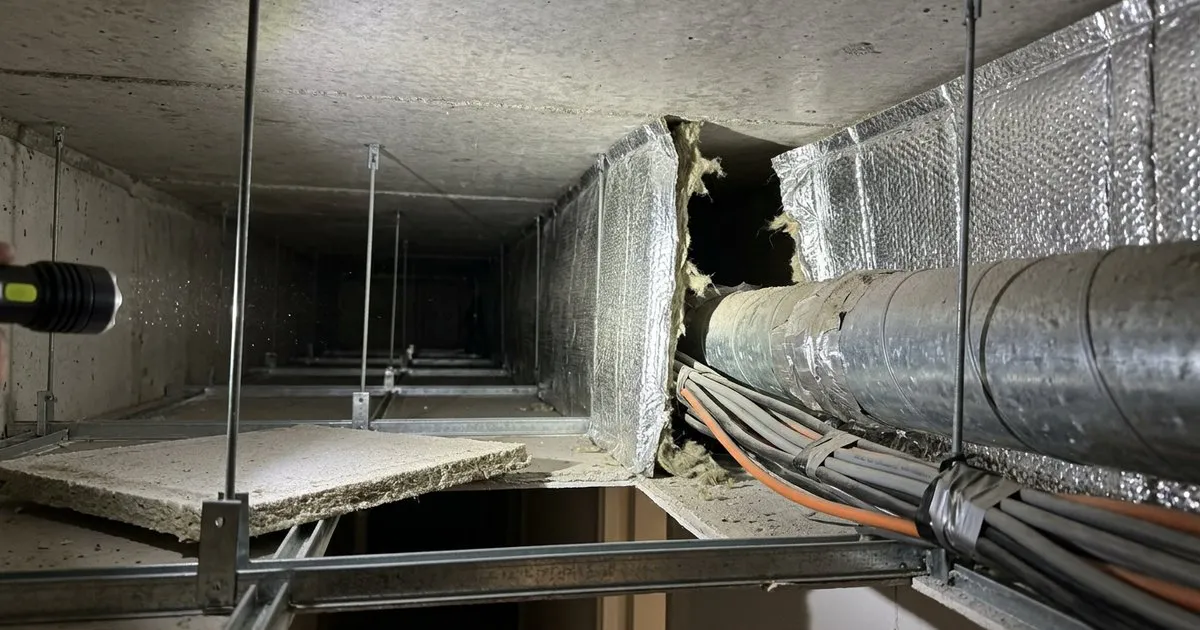
In September 2026, two companies were fined a total of £1.3 million over the death of a man killed by a window falling from the 26th floor of a London riverside development. Early in the design, the penthouse windows had been changed from opening inwards to opening outwards, which meant a window that came loose would fall onto a pedestrian area below. HSE found the change was never effectively risk assessed, and that safety depended on a single restrictor fixed with a single screw.
The year before the death, during construction, a window left open in the wind had already fallen from the same penthouses and nearly hit two workers. There was a review. Its concerns were not followed through.
It is an extreme case, but the pattern is an ordinary one. The original plan was not the problem. The change was, and nobody went back to the risk assessment when it was made.
Plans are written for a job that is about to change
A construction phase plan, a set of RAMS or a risk assessment describes the job as it is understood on the day it is written. By the second week of most projects, that job is already different.
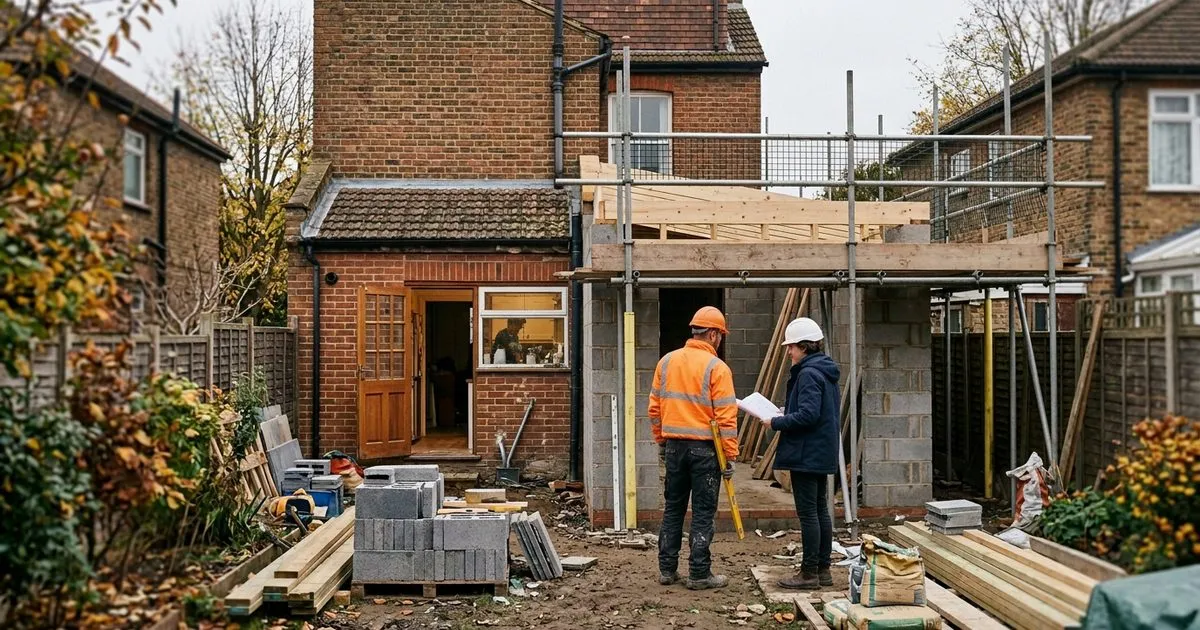
A product is substituted because the specified one is on a twelve-week lead time. A trade arrives early because another has slipped. The crane is swapped for a smaller one. The sequence changes to get the roof on before the weather. A new subcontractor sends a different gang from the one that was inducted. Each change is sensible on its own, and each quietly moves the job away from the document that was meant to keep it safe.
Many of the serious failures in construction are not in the plan. They are in the gap between the plan and what is actually happening on site.
What the law expects
The duty to keep up with change is written into the regulations, not left to good practice.
- Every employer’s risk assessment must be reviewed if there is reason to suspect it is no longer valid, or if there has been a significant change in the matters it relates to, and any changes the review shows are needed must be made. That is regulation 3(3) of the Management of Health and Safety at Work Regulations 1999.
- The construction phase plan must be appropriately reviewed, updated and revised throughout the project by the principal contractor, so that it stays sufficient for the work to be carried out safely. That is regulation 12(4) of the Construction (Design and Management) Regulations 2015. We explain the plan itself in Construction Phase Plans Explained.
- Every contractor must plan, manage and monitor its own work, and follow the parts of the construction phase plan relevant to it (regulation 15).
- Anyone who changes a design is a designer. CDM defines a designer as anyone who prepares or modifies a design, and that includes a specification. A contractor who substitutes a product or alters a detail takes on designer duties for that change, and on a project with more than one contractor the principal designer needs to know about it.
The changes that should trigger a review
Not every change needs a new document. But the following should always make someone ask whether the assessment still holds:
- A design change or product substitution, especially anything affecting fire protection, structure, access or how something will be maintained.
- A change of method or sequence, including work brought forward to recover the programme.
- A new trade, subcontractor or gang, who did not see the original briefing.
- Different plant or access equipment from what was planned.
- Conditions on site: weather, shorter daylight, a neighbouring site starting work, a part of the building being occupied or handed over.
- An incident or a near miss. This is the one most often wasted. A near miss is the plan telling you it has stopped working.
What a good review looks like
It does not need to be a ceremony. For most changes, a good review is four short steps.
- Decide whether the change is significant. Somebody with the competence to judge has to own that decision, rather than leaving it to whoever happens to be on site.
- Check what it does to the risks. New hazards, controls that no longer work, people affected who were not before.
- Change the documents and tell the people. A revised RAMS that stays in the site office has changed nothing. The gang doing the work needs to be briefed on what is different, and why.
- Record it. A dated revision, who reviewed it and who was briefed. If an inspector or a client asks what happened when the job changed, that record is the answer.
Where the change is to the design, the designer and the principal designer need to be part of that loop, because the risk may sit in a building that will be used and maintained long after the contractor has left. That is exactly what was missing at the riverside development.
The run to Christmas
The next six weeks are when change piles up fastest. Programmes compress to reach a milestone before the shutdown, extra labour arrives that was never inducted, the days are short and the weather turns. If your plans and RAMS were written in the summer, now is a good time to read them against the job as it stands today.
How MAST Safety can help
Our CDM consultants support clients, principal designers and principal contractors through the whole construction phase, not just at the start. We review construction phase plans and RAMS when the job changes, help designers and contractors work through design changes and substitutions, and act as client advisor where the client needs someone checking that the project’s arrangements still match the work.
Tell us about your project, and we will tell you whether your plans still describe the job you are actually doing.